
Why Your Skin Looks Dull — And What Actually
If your skin looks tired, flat, or lacks the glow it once had, you're not imagining it. Dull skin is one of the most common concerns people bring to skin clinics — and in most cases, there is a clear, fixable reason behind it.
Understanding why your skin looks dull is the first step toward doing something about it.
What "Dull Skin" Actually Means
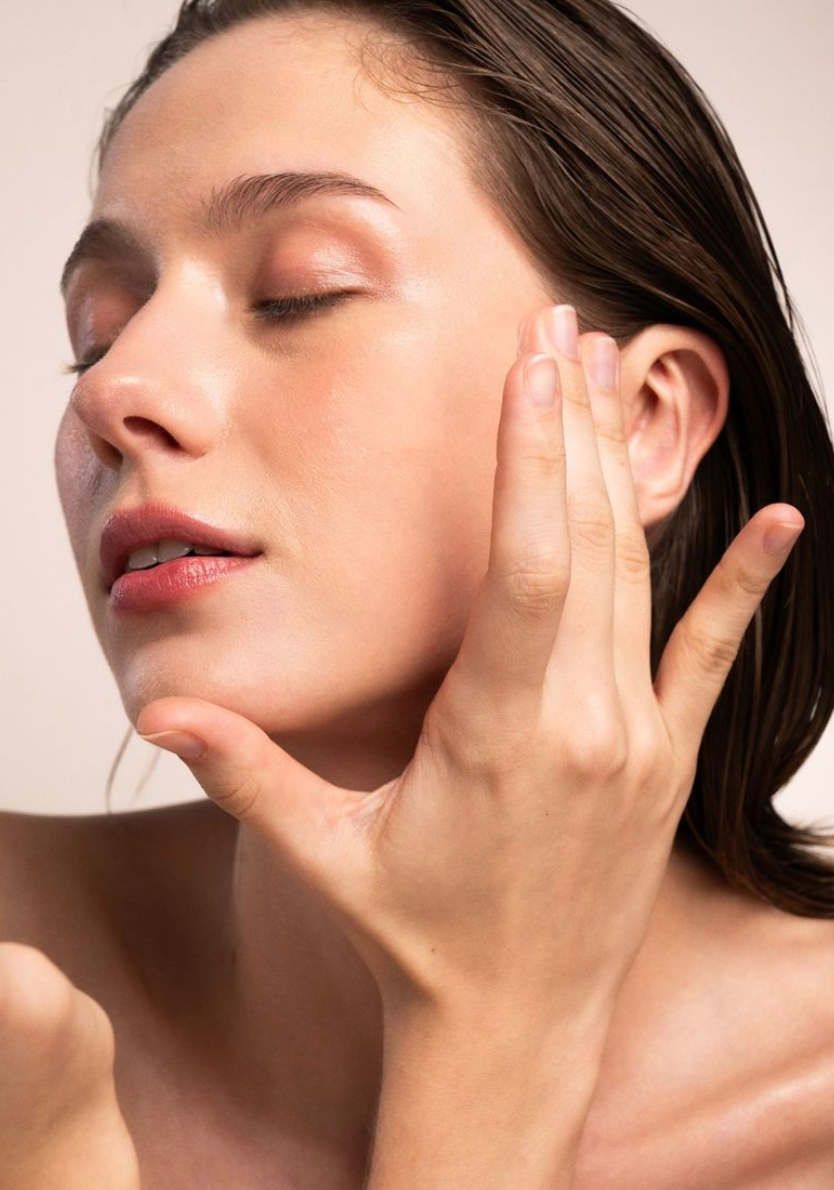
Dull skin is skin that doesn't reflect light evenly. Healthy skin has a slightly smooth, hydrated surface that catches light naturally. When that surface becomes rough, congested, dehydrated, or uneven in tone, light scatters rather than reflects — and the result is skin that looks flat, tired, or grey.
It is not simply a cosmetic concern. Dull skin is usually a signal that something in the skin's natural renewal process has slowed down or been disrupted.
Real Causes of Dull Skin
Dead skin cell buildup. The skin naturally sheds old cells and replaces them with new ones. When this process slows — due to age, stress, or environment — dead cells accumulate on the surface, creating a rough, uneven texture that blocks natural radiance.
Dehydration at multiple levels. Surface moisturizers address the outer layer, but skin can be dehydrated deeper in the dermis where topical products have limited reach. This kind of dehydration reduces plumpness and makes skin look sunken and tired regardless of how much moisturizer you apply.
Uneven tone and pigmentation. Post-inflammatory marks, sun damage, and patchy discoloration interrupt the even surface needed for light to reflect cleanly. Even mild hyperpigmentation contributes significantly to a dull appearance.
Slowed cell turnover. Cell turnover naturally slows with age — a process that accelerates after the mid-twenties. Slower turnover means newer, healthier cells take longer to reach the surface, leaving older, less vibrant skin exposed for longer.
Why Skincare Alone Often Isn't Enough
A consistent skincare routine — gentle cleansing, hydrating serums, moisturizer, and daily SPF — creates an important foundation. For many people, it is also where results plateau.
Topical products work on the surface and just beneath it. They cannot address structural dehydration in deeper skin layers, meaningfully accelerate cell turnover, or correct pigmentation that has accumulated over years.
When you've been consistent with your routine and the dullness persists, that's typically the signal that a clinical approach is warranted.
What Actually Works
Exfoliation-based treatments. Medical-grade chemical peels and resurfacing treatments
remove accumulated dead skin at a depth that over-the-counter products cannot reach. The result is an immediate improvement in surface texture and light reflection, with continued improvement as fresh skin emerges.
Hydration-focused treatments. Clinical hydration protocols deliver active ingredients directly into the skin rather than onto its surface. This addresses the deeper dehydration that leaves skin looking flat regardless of topical routine.
Laser and skin rejuvenation options. Laser treatments stimulate collagen production, address pigmentation, and improve overall skin quality at a structural level.
These are the treatments that produce the most significant and lasting improvement in dull, uneven skin — and results continue to develop for weeks after the session.
Dull Skin in New York City
In New York City, dull skin is especially common — and not without reason. Environmental pollution, variable humidity, cold dry winters, and the general pace of city life all accelerate the factors that cause skin to lose its glow.
Patients in Manhattan and Queens often present with a specific combination of congestion and dehydration — a result of urban pollution mixed with heated, dry indoor air. In Fort Lee and the broader New Jersey area, similar patterns appear, often compounded by seasonal weather changes that stress the skin barrier repeatedly through the year.
Understanding this local context matters when recommending treatment.
A clinical approach in New York needs to account for both the environmental stressors and the lifestyle factors specific to living and working in this environment.
Where to Start
Clear Laser Skin Clinic — with locations in Manhattan, Fort Lee, Queens, Jersey City, and Edison — approaches dull skin with a clinical assessment before any treatment is recommended.
The goal is to identify the specific cause of each patient's dullness and address it precisely, rather than applying a standard protocol.
For anyone wondering why their skin looks dull despite a consistent routine, a proper skin assessment is the most direct way to get a real answer.
Final Thoughts
Dull skin is not a permanent condition and it is not a mystery.
It has specific causes — most of which are addressable with the right clinical approach.
If your current routine has stopped producing results, the next step is an honest assessment of what is actually happening beneath the surface.


Comments